
As part of our research dive into leadership in the community development sector, we spent some time with Justin Godard unpacking what it takes to effectively support community development leadership, especially for resident leaders of color.
How would you describe the current state of community development leaders of color?
Justin: My first question is: What do we mean by “community development leaders”? There are folks, like me, who have been able to get a formal education or credentials to be in a professional community development role. And there are resident leaders, who are pillars of their community. Sometimes these groups overlap and sometimes they don’t. I’ve been in both, but they’re different groups and require different support.
In the professional sphere, I’m seeing more people of color in leadership positions. But there are still limitations, based on whether folks have the right credentials or letters behind their names.
Meanwhile, grassroots leaders are doing excellent work on the ground. They may not have formal training, but they’re committed to their communities. But are they being supported, recognized, and resourced? That’s where I view my role: lending my platform to grassroots leaders who are doing that day-to-day work. We need to bring resident leaders into professional spaces and conversations. Beyond just having them on a board of directors, we need to provide guidance about what board governance means and how to run an organization. Those are skills that can help someone better serve their community or even start their own organization.
One program I helped develop was the Community Revitalization Fellowship, which supports residents who are leading community revitalization work–most of whom are people of color or who come from historically disadvantaged groups and neighborhoods. Each participating community hosts an exchange to offer conversations between leaders to share struggles and solutions. Community Progress provides practical information and training about what causes vacancy, terminology in community development, community organizing, and revitalization strategies residents can advocate for. We want to make sure that when these local leaders go into professional spaces and communicate with city departments, they’re not being talked around.
Community-based work may not always have those quantitative success measures, but that doesn’t mean that it’s not impactful. We’ve heard in the research that leaders of color who are passionate about the work can be over-tapped with obligations or pulled in many different ways. How can they be supported?
Justin: We need to continue to build people up and deepen the bench so that we don’t always go to just one person. We want the fellowship program to be a pipeline for growing resident leaders, which is why we are intentional about calling the participants back to speak on webinars and lead panels. They are the experts on resident-led community development, so we want to give them a platform that the entire field – including funders and other city departments – can see and can recognize their wisdom.
Have you experienced any challenges, political or social opposition to racially explicit language, programming or services?
Justin: You can’t talk about vacant properties or community development generally without talking about race and racism, redlining, and strategic divestment from specific communities. While the Center for Community Progress’ focus is addressing vacant properties, we also know it’s not enough to just say we’re addressing racism implicitly by working on vacancy. We need to be explicit and intentional about talking about how race and racism impacts our work.
Sometimes, in communities, folks don’t want to talk about race. However, we don’t shy away from that conversation because we believe this work can only be effective if we can talk about the experiences of Black and Brown people most impacted.
Are there systemic or structural challenges to providing effective leadership supports for leaders of color? How could those be addressed?
Justin: Ultimately, the field needs more flexible funding that supports community-based, resident leadership initiatives. Often, funders want to see success within a one- or two-year timeline, and that’s not always possible when you’re building trust and relationships. The field needs to support activities that reach towards a vision. And even if those activities ultimately didn’t advance the vision, there’s still value in knowing what didn’t work, and why.
Another major challenge is that the community development field is very siloed. While each area of focus is important, if we can’t come together to address all of the challenges happening in communities simultaneously, we’re not going to reach our collective goal: communities with a high quality of life that allow for opportunity, joy, hope, and prosperity for the people living there. All the work we’re doing is important. But how are we in conversation with one another? How are we addressing multiple issues at the same time? And how do we make sure the most impacted people are at the heart of that? Resident leaders and lived experience is critical to that work.
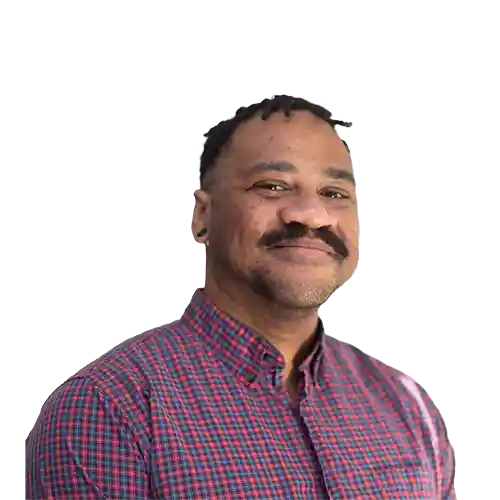
Justin Godard is the Vice President of Education, Leadership, and Engagement (ELE) at the Center for Community Progress. In this role, he leads strategies to produce publications, trainings, learning exchanges, and conferences that build awareness of tools to address vacant, abandoned, and deteriorated properties and foster community revitalization.